| Species | IUCN (approx.) | Main pressure |
|---|---|---|
| White-headed duck | Endangered | Hybrids, lost wetland |
| Baer's pochard | Critically Endangered | Drained East Asian lakes, hunting |
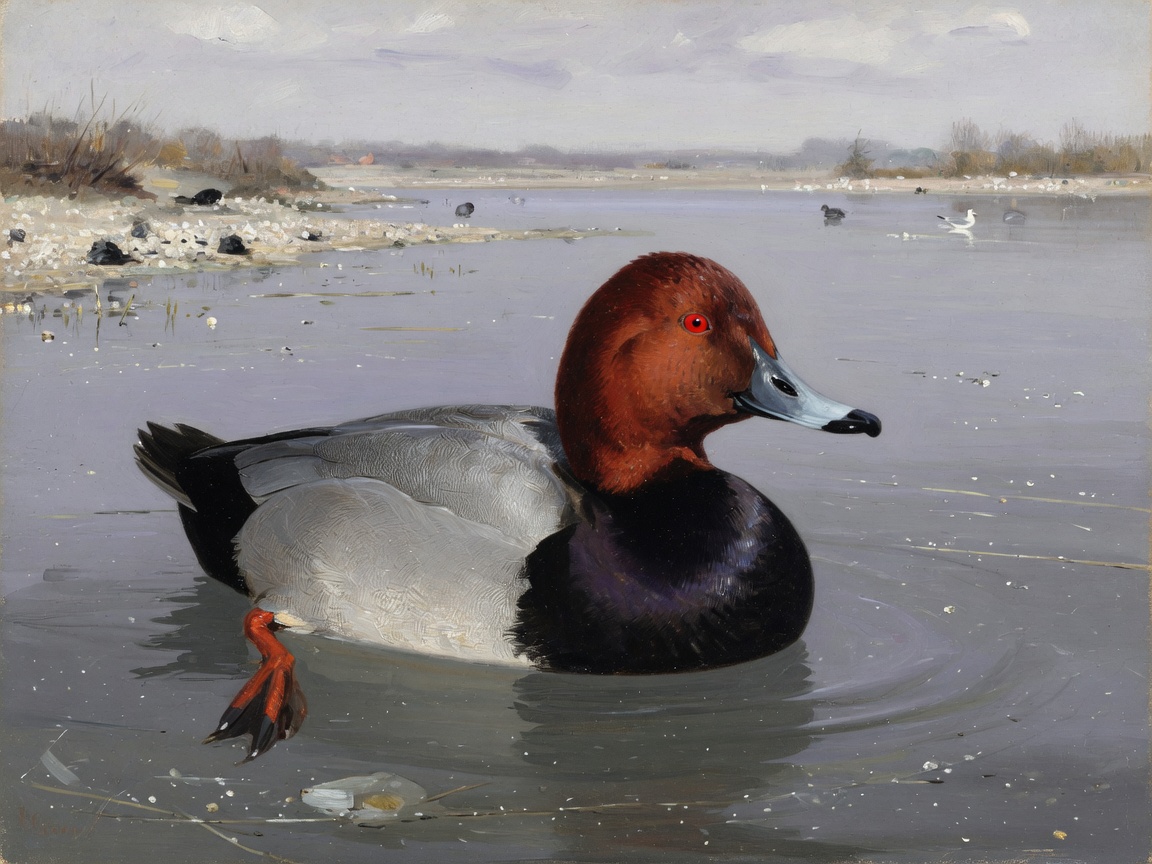
| Common pochard | Vulnerable | Flyway and breeding wetlands |
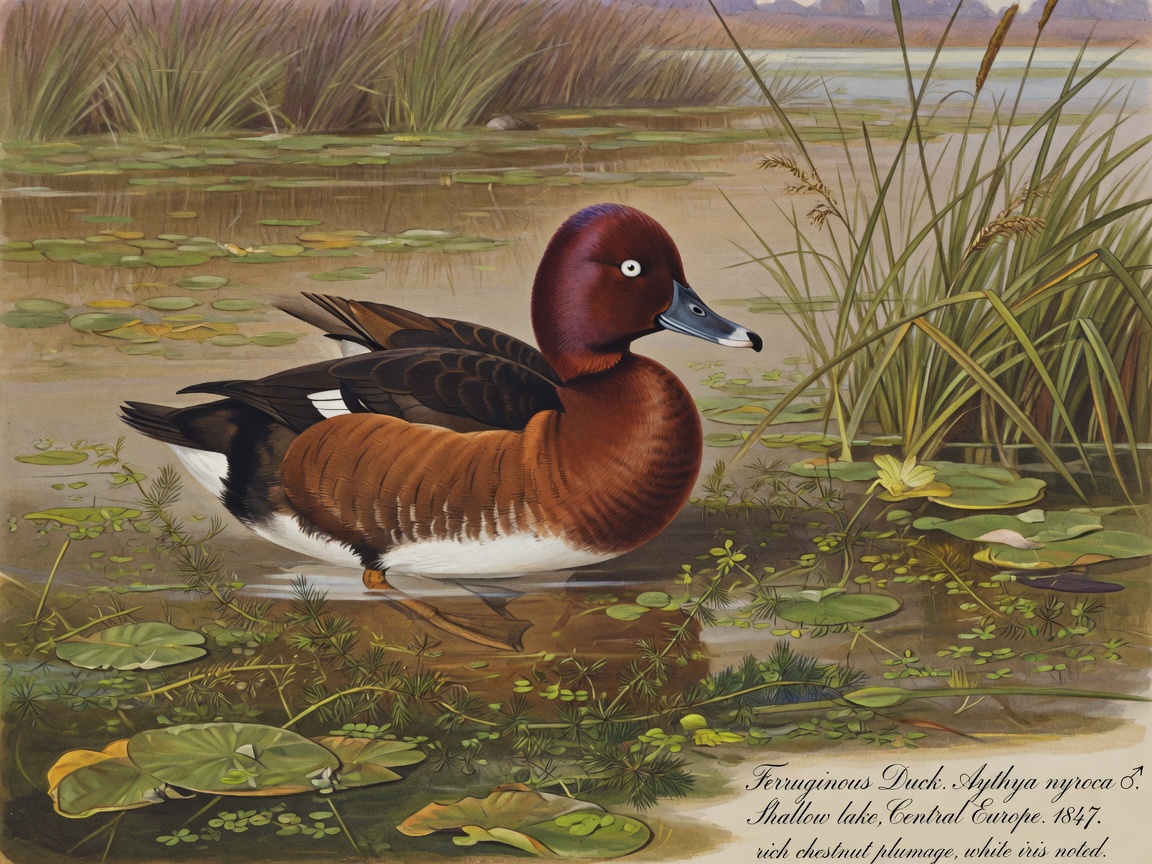
| Ferruginous duck | Near Threatened | Shallow, weedy lakes |
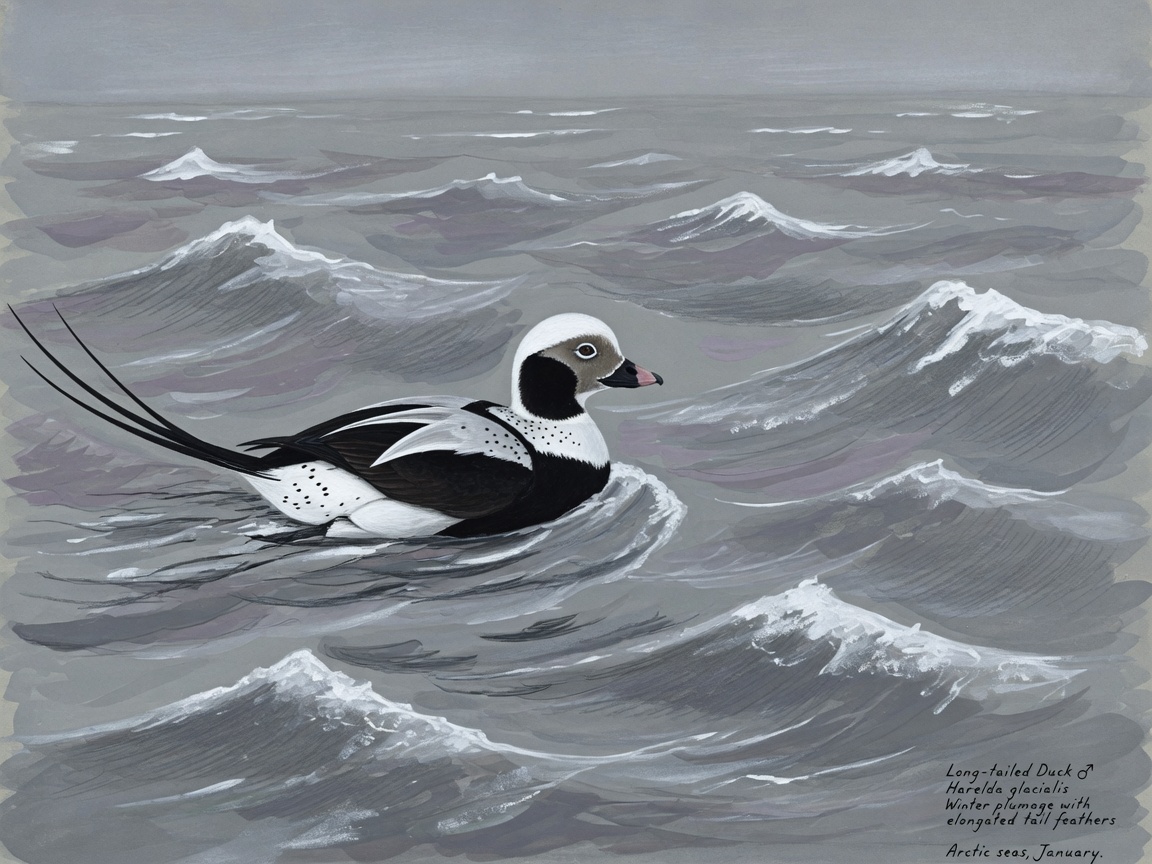
| Long-tailed duck | Vulnerable | Marine winterer; bycatch, oil |
How worried to be (schematic)
IUCN categories, not a popularity contest. A field guide that still lists pochard is not a recovery plan.
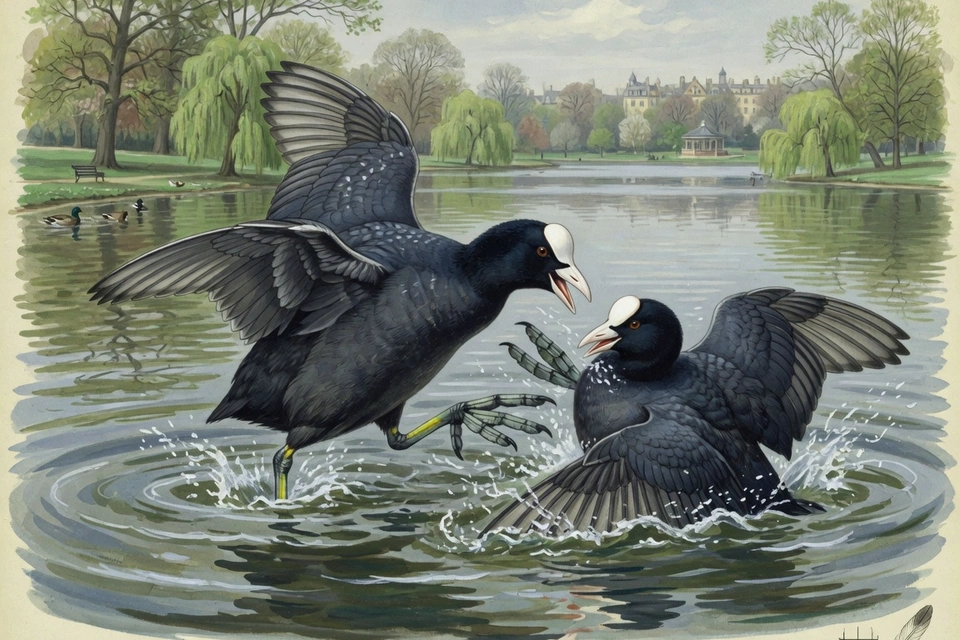
The common pochard still turns up on British gravel pits in January. That is not the same as a recovered species. European wintering numbers have fallen with wetland loss and pressure along the flyway.
The white-headed duck is Endangered. Spain holds a key European population. North American ruddy ducks released from collections hybridised with them. Captive birds that escape are not a footnote.
Ruddy duck control in the UK existed because hybrids threatened white-headed ducks in Spain. The argument was ugly. The biology was real.
If a rare bird turns up on a reservoir, it is not a trophy. Keep your distance. Do not bait it for a photograph. Do not publish a nest. If you know the county recorder, report it; otherwise enjoy it and leave.
Geese, swans, grebes and rails share the same scrapes. Save shallow, invertebrate-rich water for shovelers and you also save the unphotogenic things. Conservation that only lists “iconic ducks” will drain the rest.
If you keep waterfowl, rings and paperwork are the job. A pretty collection that leaks is how a Spanish duck gets diluted.