Mallards may stay all year. Tufted ducks and gadwall mix residents with migrants. Sea ducks — common scoter, long-tailed duck, eider — use coasts and firths. Learn the water in front of you before deciding a bird “should be somewhere else”.
Spring and autumn passage is shorter and easier to miss. Garganey are scarce summer visitors. If you want the long list, go in winter, early, with a telescope.
Eclipse: the grounded weeks
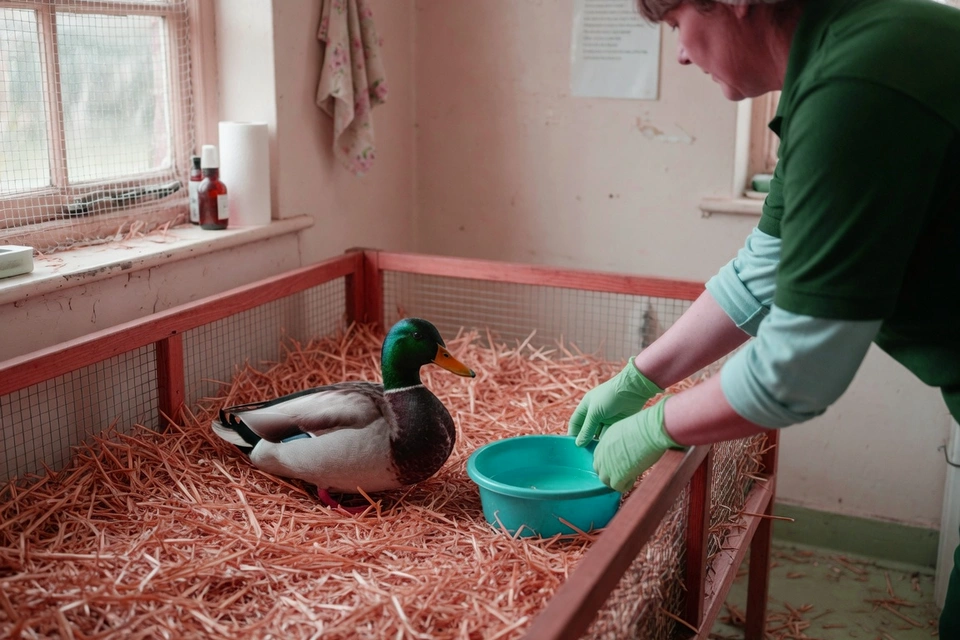
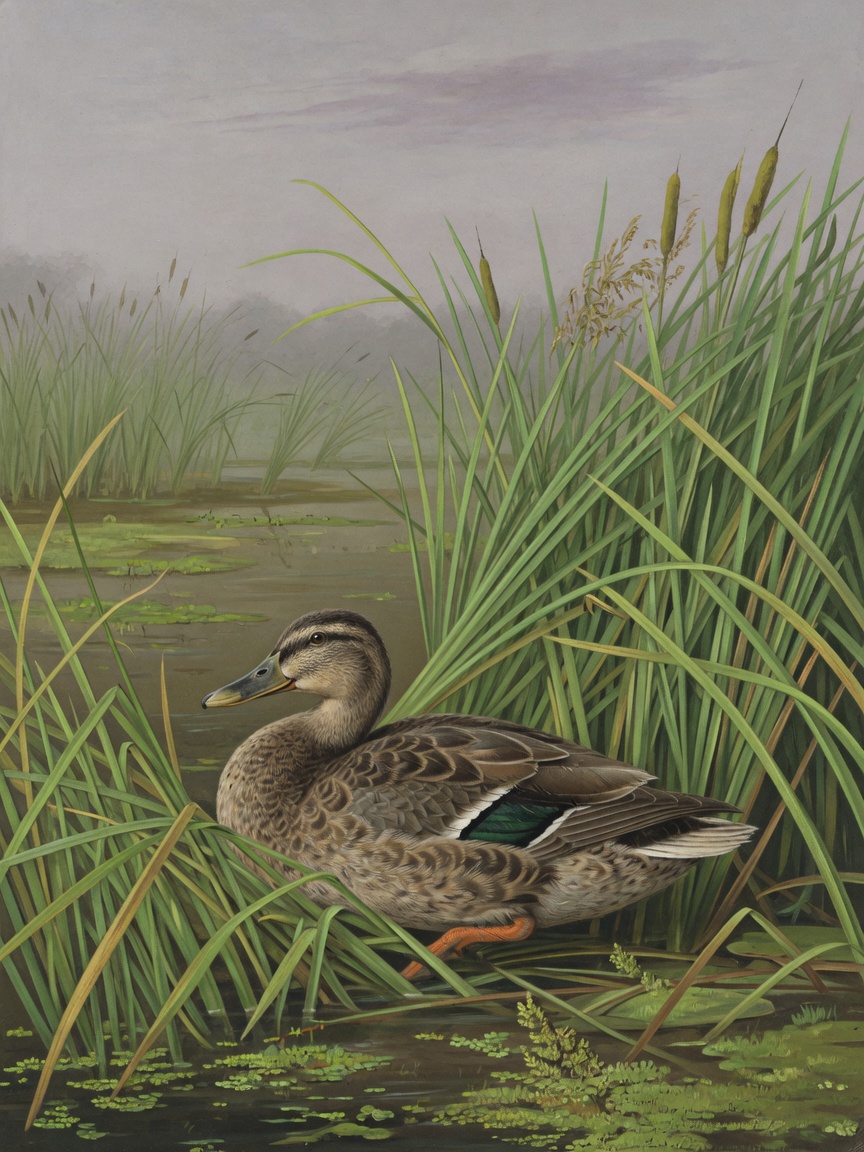
After breeding, many drakes moult their flight feathers at once and cannot fly for a while. They wear dull, female-like eclipse plumage and hide in reeds. If you cannot tell the drakes apart in August, that is the point.
Reserves sometimes close bays then. A drone over a moulting flock is not a cute shot.
Fuel, dark, ice
Migrants need roosts that stay dark and quiet. Lighting, fireworks and late paddleboards shove tired birds off water they used to trust.
In a freeze, diving ducks pack onto the last open hole. That is when disturbance hurts most. Keep off the ice.
The Wetland Bird Survey (WeBS) is how the UK knows if pochard are still sliding: the same sites, counted the same way, year after year. A local patch with a notebook beats one exciting day.
The hotel register
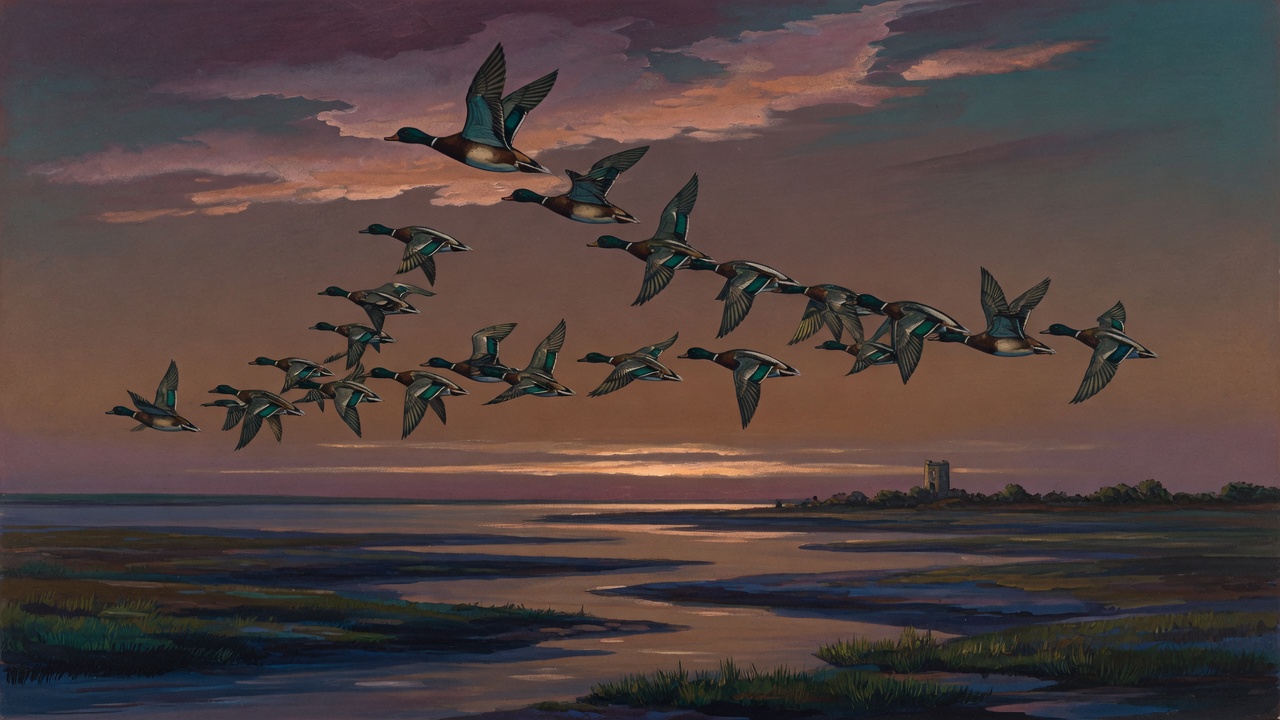
Think of Britain as a winter boarding house with a few year-round tenants. Iceland, Scandinavia, Russia and the Baltic send the extra beds. The North Sea is not a barrier; it is a commute.
Who uses the UK, and when
Wigeon, teal, pochard, and many sea ducks. Mallards mix stay-at-homes with visitors. Garganey is the scarce summer opposite: it breeds here and winters south.
| Species | Winter UK | Summer UK | Note |
|---|---|---|---|
| Mallard | Common | Common | Residents plus visitors |
| Wigeon | Abundant | Scarce breeder | Grazer of wet grass |
| Teal | Very common | Local breeder | Tiny, nervous, worth the look |
| Pochard | Declining | Rare breeder | The graph that should worry you |
| Tufted duck | Common | Common | Mussels; dives cleanly |
| Garganey | Passage | Scarce | The one you miss if you only do January |
| Common scoter | Coasts | Very local | Sea, not the park |
Twelve months, coloured in
What a water is for, by month
WeBS core counts sit in the winter blocks. A spotting scope on a reservoir in January is how the long list becomes real.
Passage in March and September is a rumour unless you are out at first light. The birds are tired. Fireworks, floodlights, and a paddleboard at dusk spend their fuel for a photograph. Keep the roost dark.
If you want one useful object for this page, it is optics plus an insulated flask. The other useful object is a waterproof notebook with the same pit written down, year after year — the amateur version of WeBS, and how you notice a pochard year going quiet.