Bread is the default park offering and a poor one. It is mostly starch and salt. A duck that fills up on crusts spends less time sieving the seeds and invertebrates it actually needs. In young birds a heavy bread diet is linked to angel wing, a deformity of the wrist that twists the primaries so the bird can never fly.
Mouldy bread can carry toxins. Ducks do not read dates.
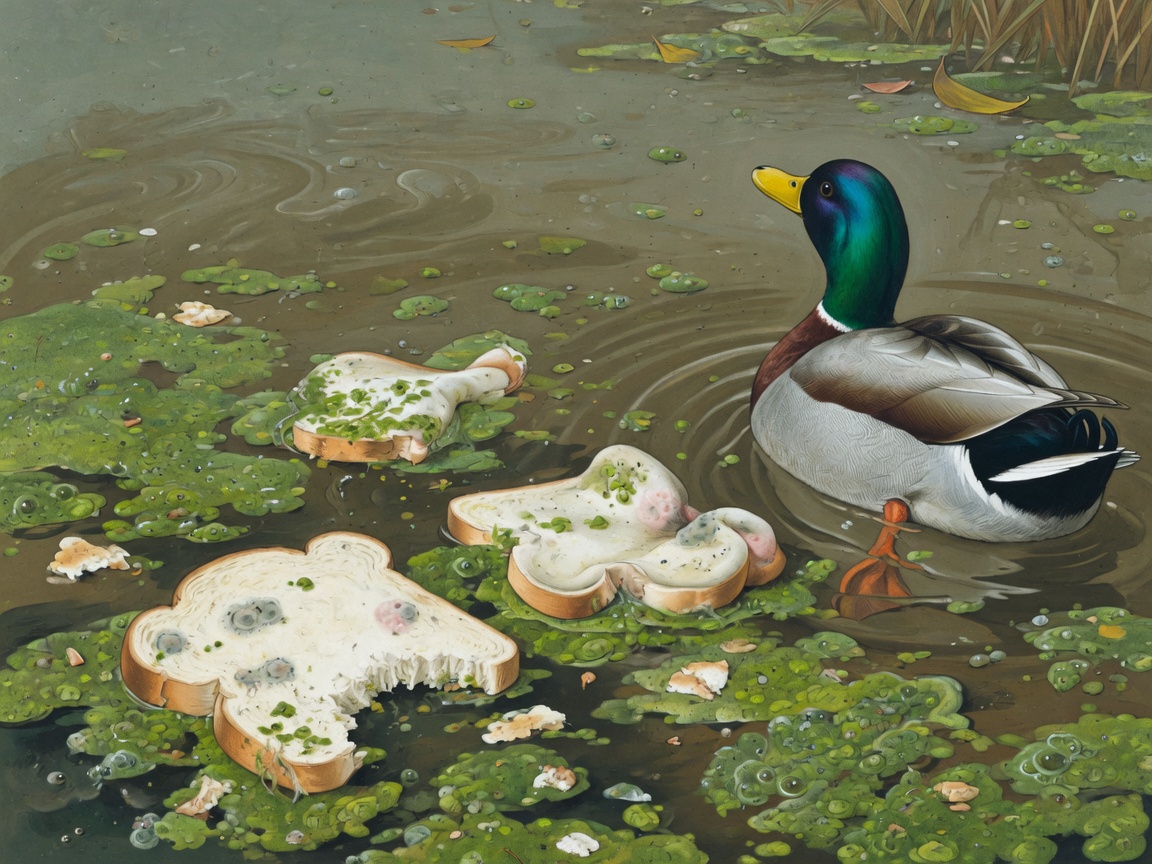
If you still want to feed
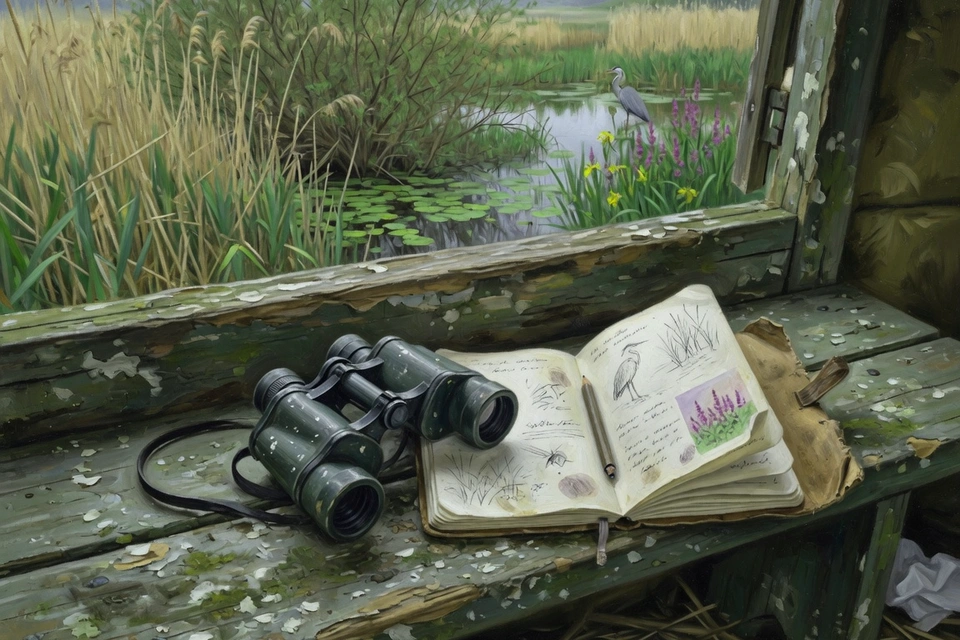
Some sites ban feeding. Obey the sign. Where it is allowed, keep it tiny and dry:
- oats
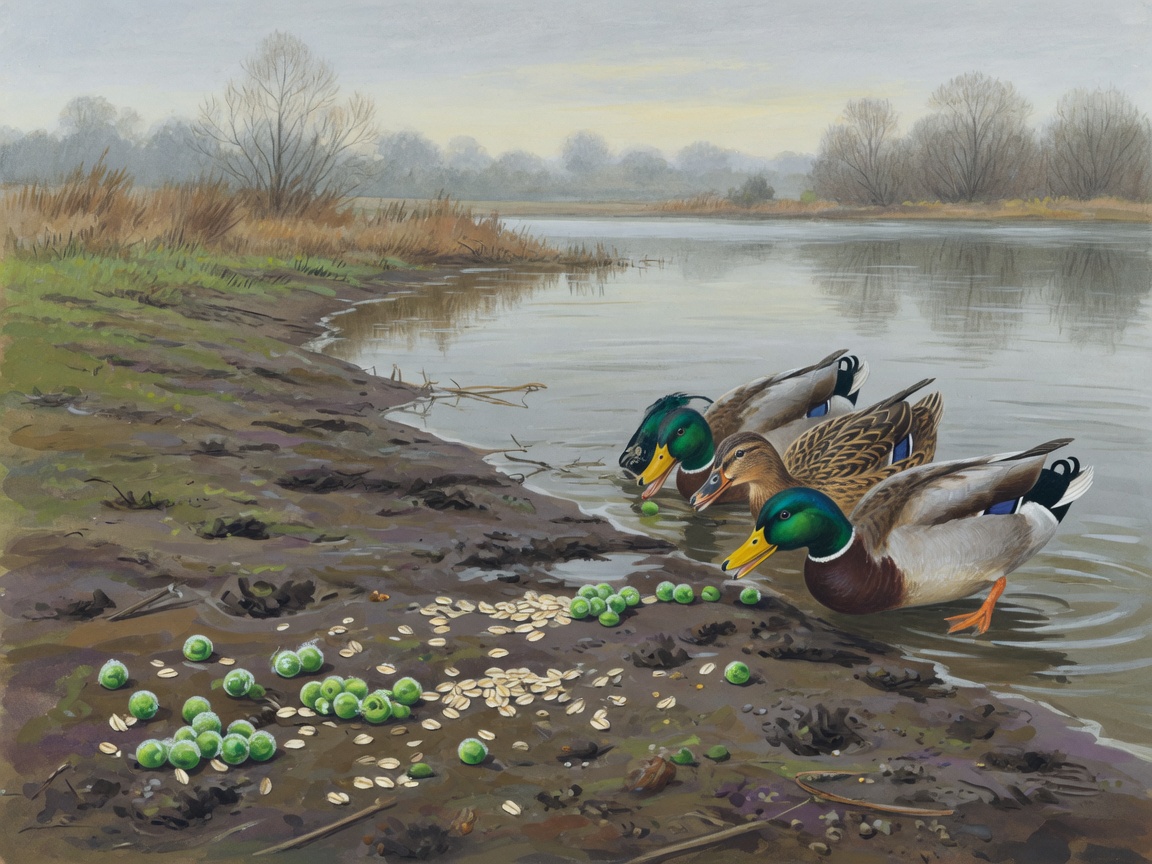
- defrosted peas or sweetcorn
- chopped lettuce
- waterfowl pellets sold for the purpose
Scatter a handful on the bank, not as a dump in the water. Stop the moment the birds walk away.
Skip potatoes, onions, avocado, chocolate, crisps, and anything in a net or bag that can be swallowed. A whole loaf “for the flock” is littering.
They do not look hungry the way we think
Dabbling ducks loaf for hours. A mallard sitting on the path is usually fine. An injured bird needs a wildlife rescue, not a chase back into the lake.
What the bill is built for
A mallard’s comb is for seeds, insect larvae, pond snails, and the odd scrap of pondweed. Starch is a snack, not a diet. The graph below is a teaching sketch — not a lab assay — but the direction is not a matter of opinion.
What actually builds a duck
Protein and grit build bone and feather. Bread fills the gut and the pond.
Angel wing shows up most in young birds on a heavy white-bread diet: the wrist twists, the primaries stick out, and flight never arrives. You cannot un-bake that. The kind version of the park visit is a handful of porridge oats or defrosted frozen peas, on the bank, then stop. Waterfowl pellets exist for a reason; they are not a licence to empty a sack into a fountain.
If a sign still allows a handful
Oats, then peas — never a loaf
Quaker stays rejected (box dimensions disagree with a 1 kg bag). Scott’s Porage 1 kg B01DZSOX10 is a Flavour Name menu. Scatter on the bank. The shopping is plain oats, not a “duck treat” novelty mix.
Some city lakes are already so loaded with geese, dogs, and crusts that the kindest ritual is to bring nothing but a bag for the line you pick up. Children can count species. That is a better game than a feeding frenzy.
Wild diet, in one table
| Dabbler (mallard, teal) | Diver (tufted, pochard) | Sea duck (eider, scoter) | |
|---|---|---|---|
| Main food | Seeds, plants, invertebrates | Mussels, insect larvae, plants | Molluscs, crustaceans |
| Where | Surface and shallows | Mid-water and bed | Coastal bed |
| Park substitute | Tiny oats/peas if allowed | Usually none — they are not begging | None. Leave them. |
A tufted duck that takes bread from a child is being polite to calories, not to its own plumbing. Sea ducks on a harbour wall are not a petting zoo. If you want a gift that belongs next to this page, it is a field guide, not a loaf tin.
The pond does not need us to be providers. It needs us to stop being a bakery.