00d.uk

Duck Breeds — A Guide to Every Duck You'll Ever Meet

From Mallards to Muscovies, Indian Runners to Khaki Campbells. Know your ducks — the complete breed guide.

Duck Breeds — Know Your Ducks 🦆

There are over 120 species of wild duck and dozens of domestic breeds. Here's your field guide to the ones that matter.

Wild Ducks

Mallard (Anas platyrhynchos)

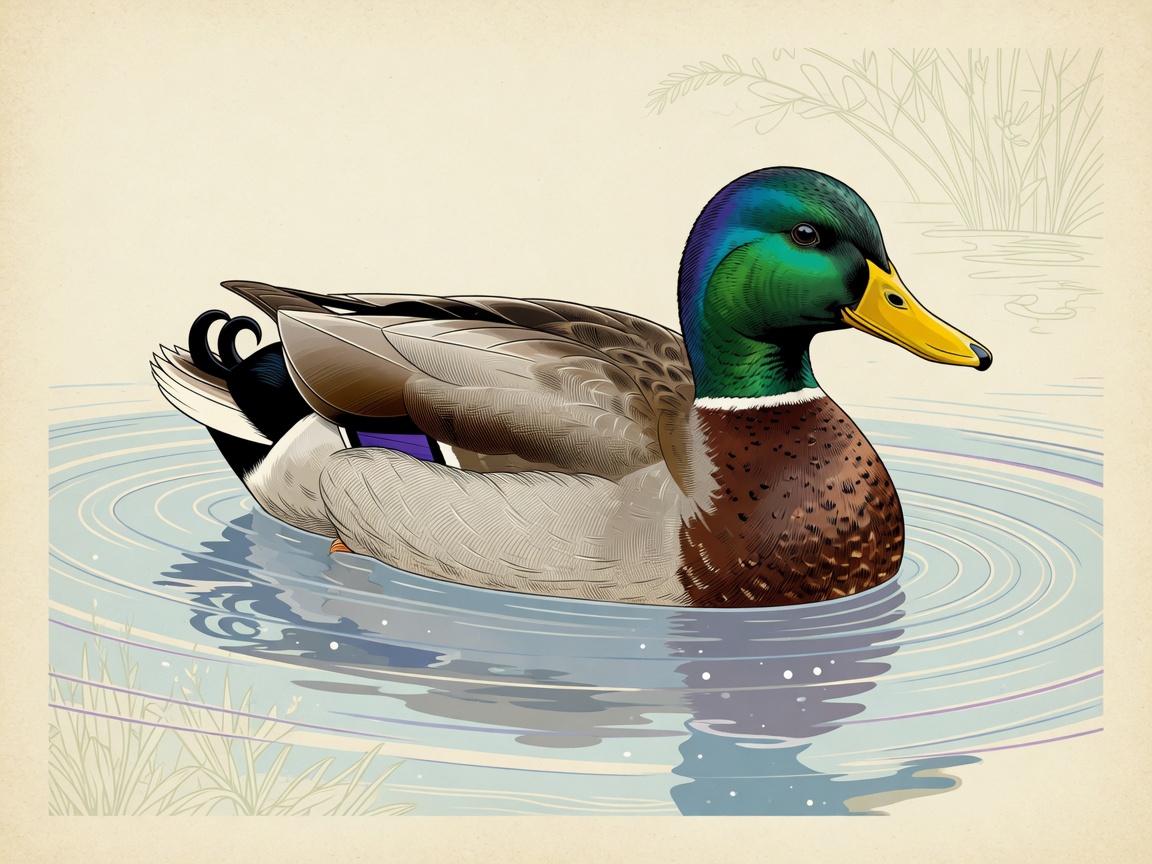
The duck. The one everyone pictures. Green iridescent head (males), orange bill, the classic "quack." Found on every continent except Antarctica. Ancestor of nearly all domestic ducks.

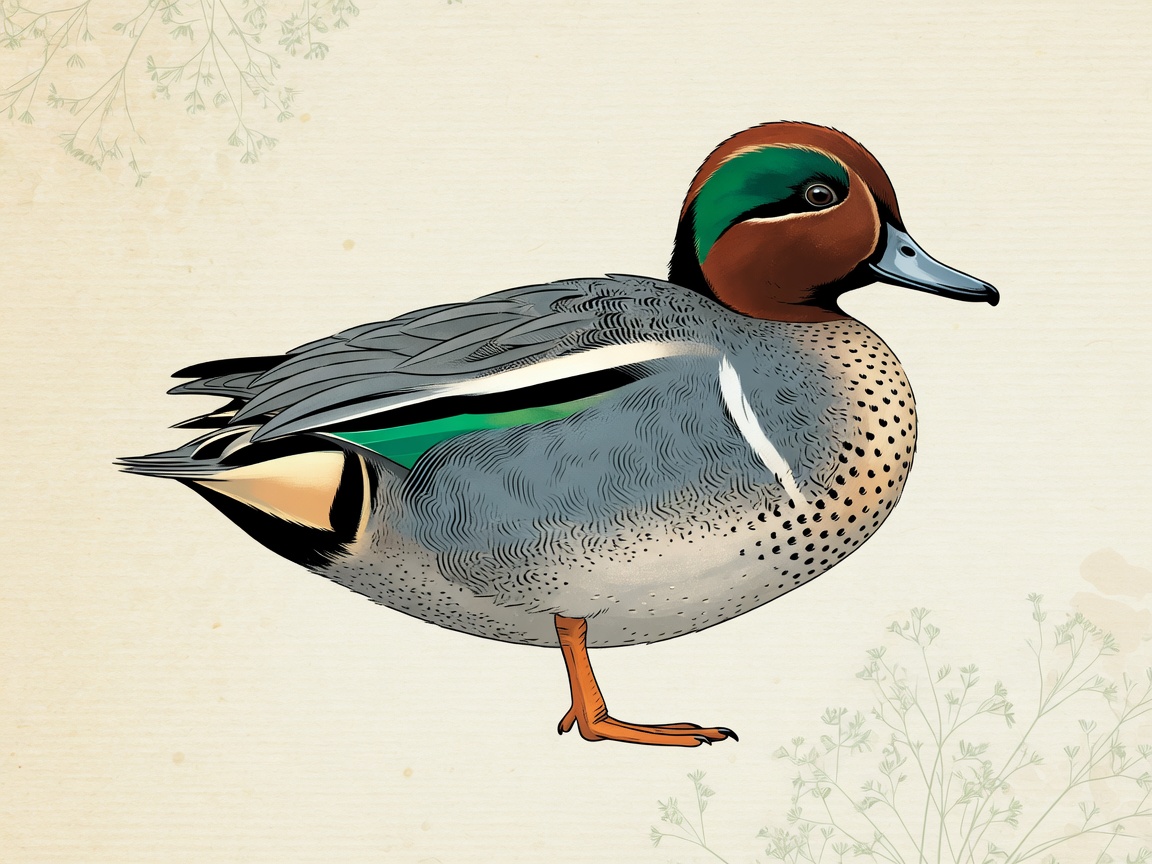
Teal (Anas crecca)

Small, fast, and strikingly beautiful. The male has a chestnut head with a green eye-patch bordered in cream. Often seen in large winter flocks on UK wetlands.

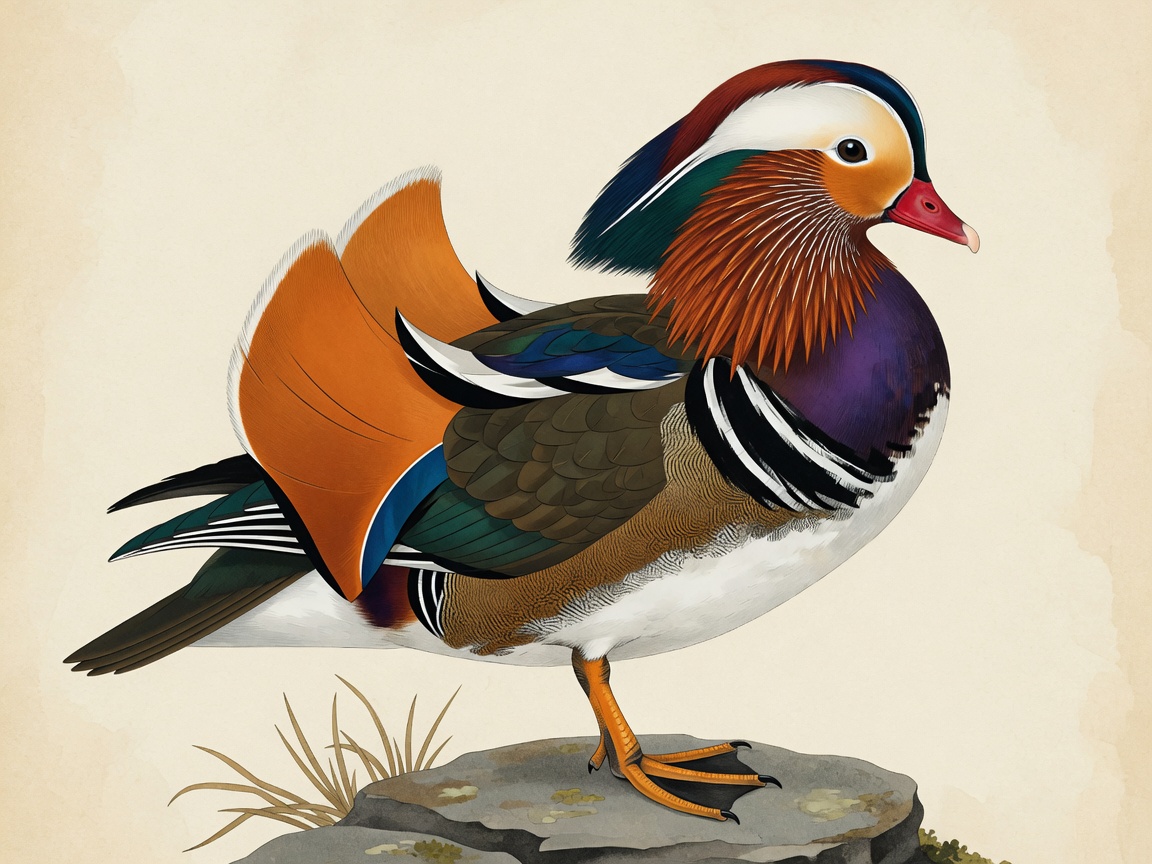
Mandarin Duck (Aix galericulata)

The supermodel of the duck world. Males have orange "sails," purple breast, green crown, and white eye-stripe. Native to East Asia but now established in the UK (escaped from collections).

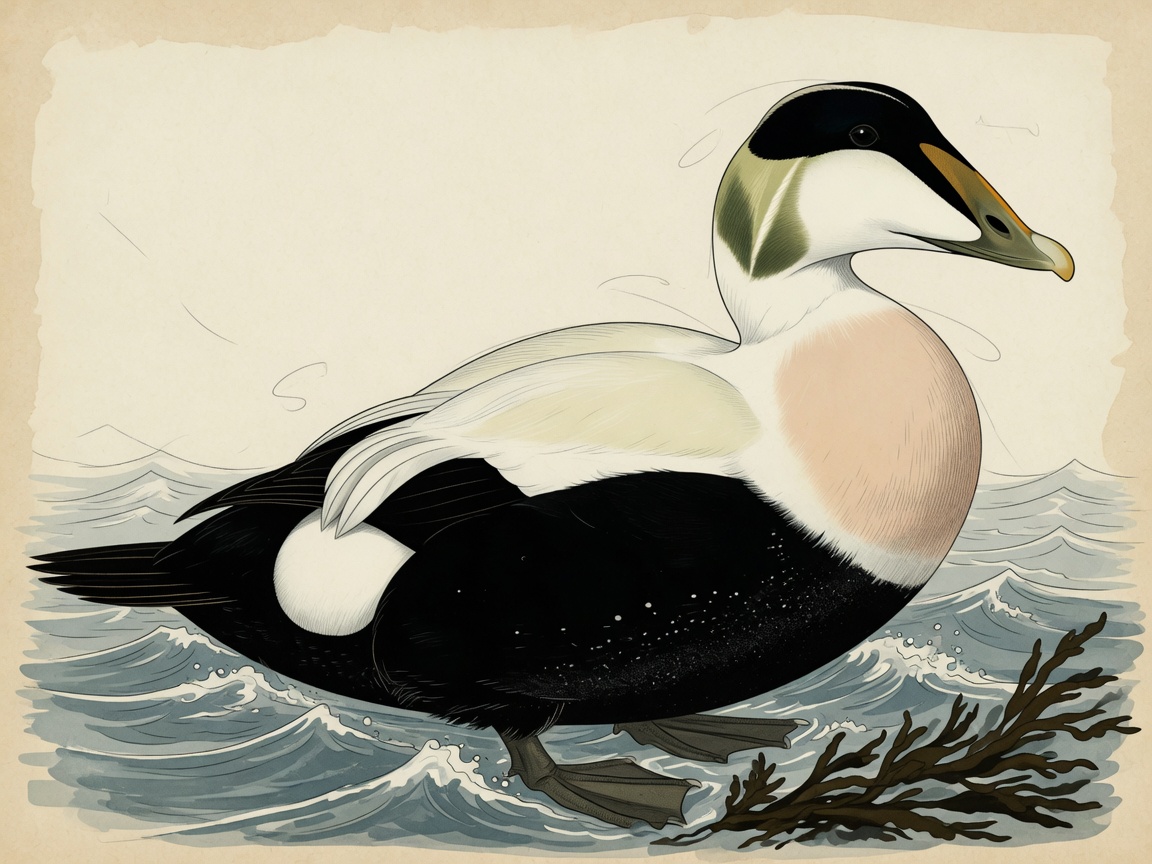
Eider (Somateria mollissima)

Big, stocky, and tough. The largest duck in the Northern Hemisphere. Famous for eider down — the softest, warmest natural insulation known.

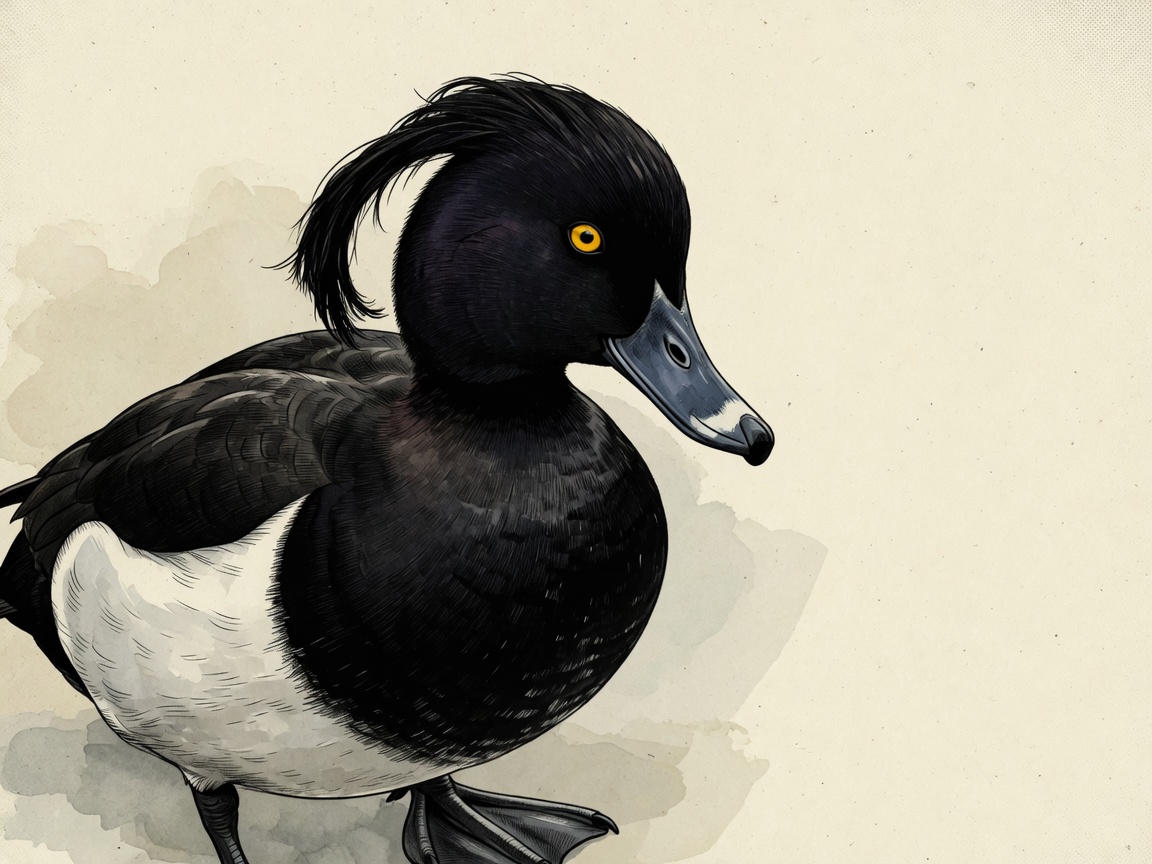
Tufted Duck (Aythya fuligula)

Black and white with a comedy tuft on the back of the head. Dives for food rather than dabbling. A UK park pond regular.

Domestic Breeds

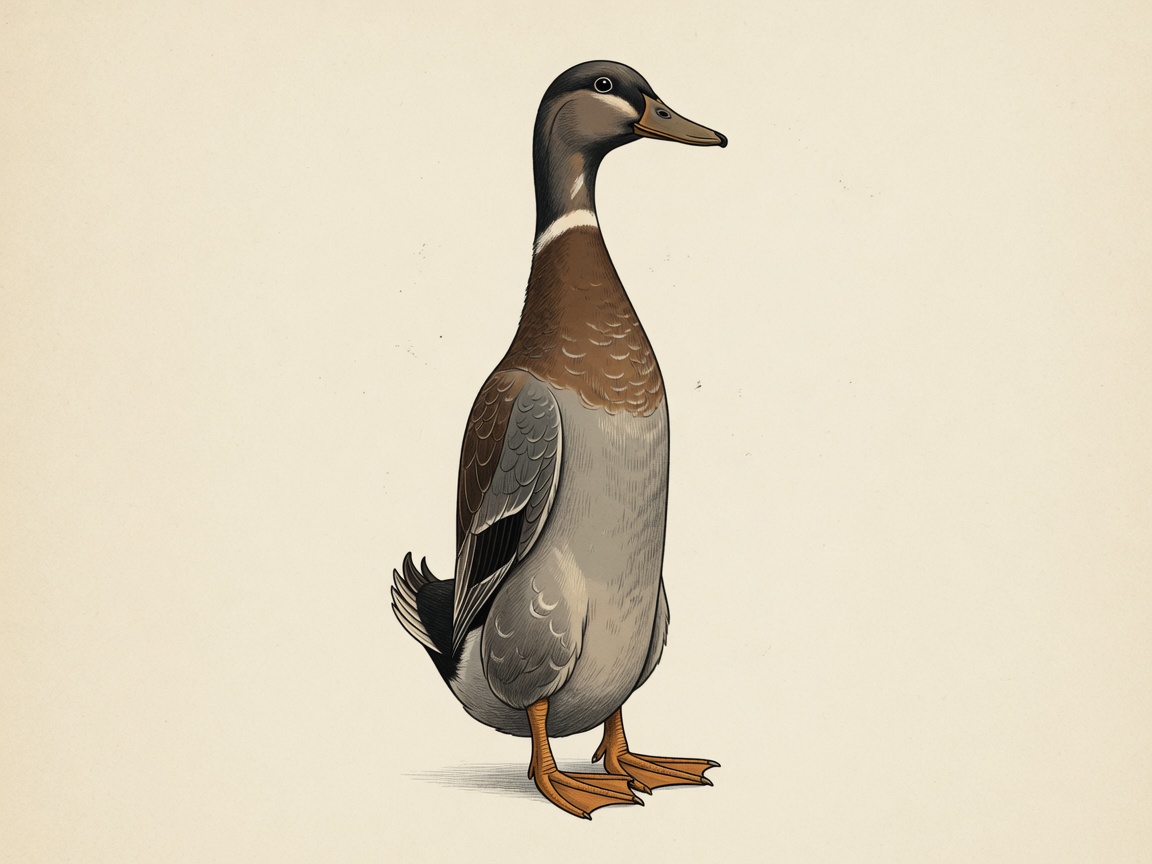
Indian Runner

The ones that stand bolt upright like bowling pins. Originally from Indonesia (not India — the name is misleading). Bred for egg production — a good Runner lays 300+ eggs per year.

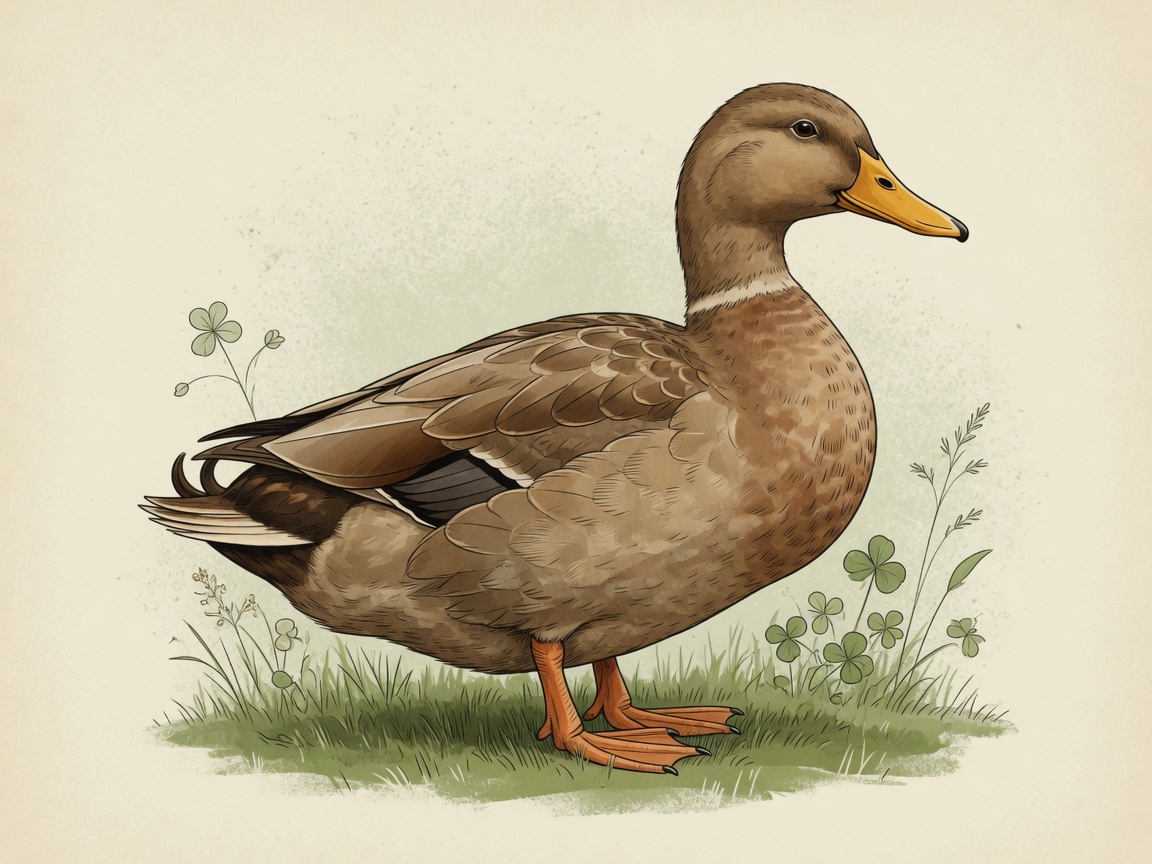
Khaki Campbell

The ultimate egg-laying duck. Developed in England by Adele Campbell in the late 1800s. Quiet, calm, and absurdly productive.

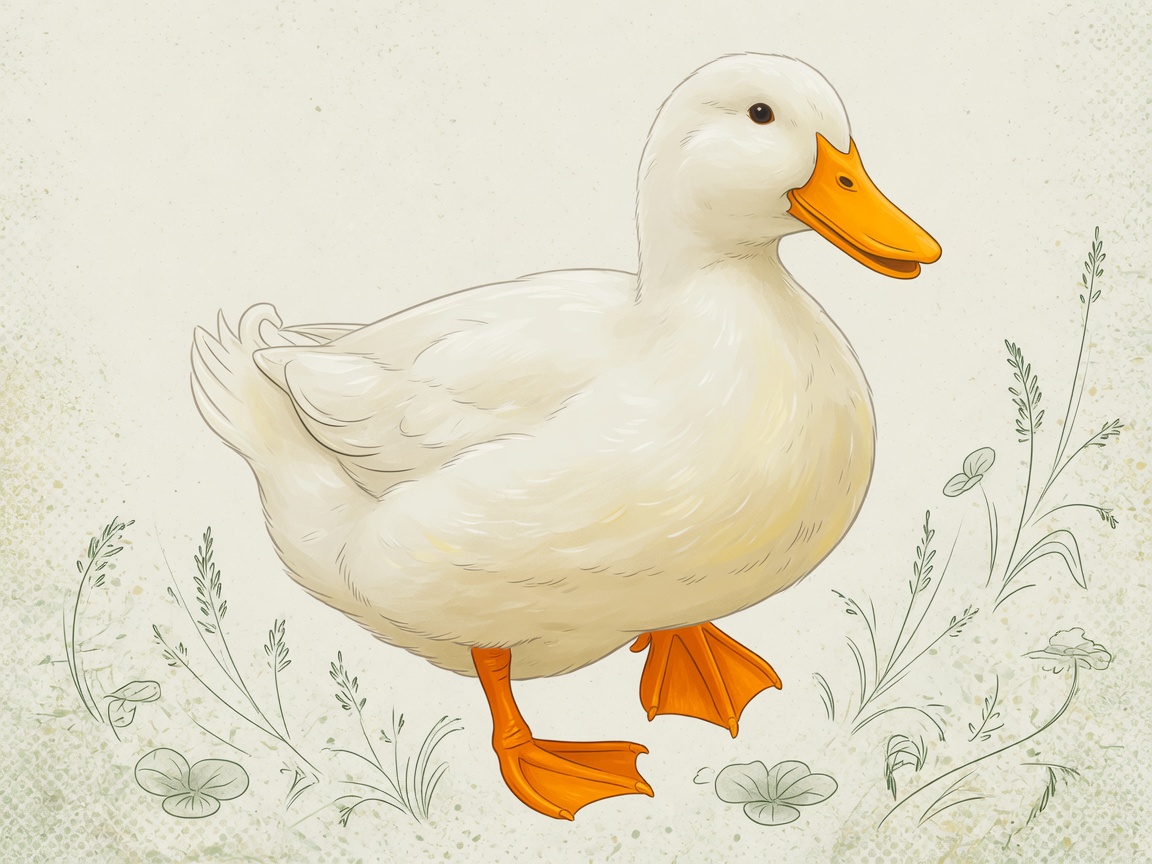
Pekin (American Pekin)

Big, white, friendly. The duck most people imagine when they think "domestic duck." Originally from China, brought to the US in the 1870s.

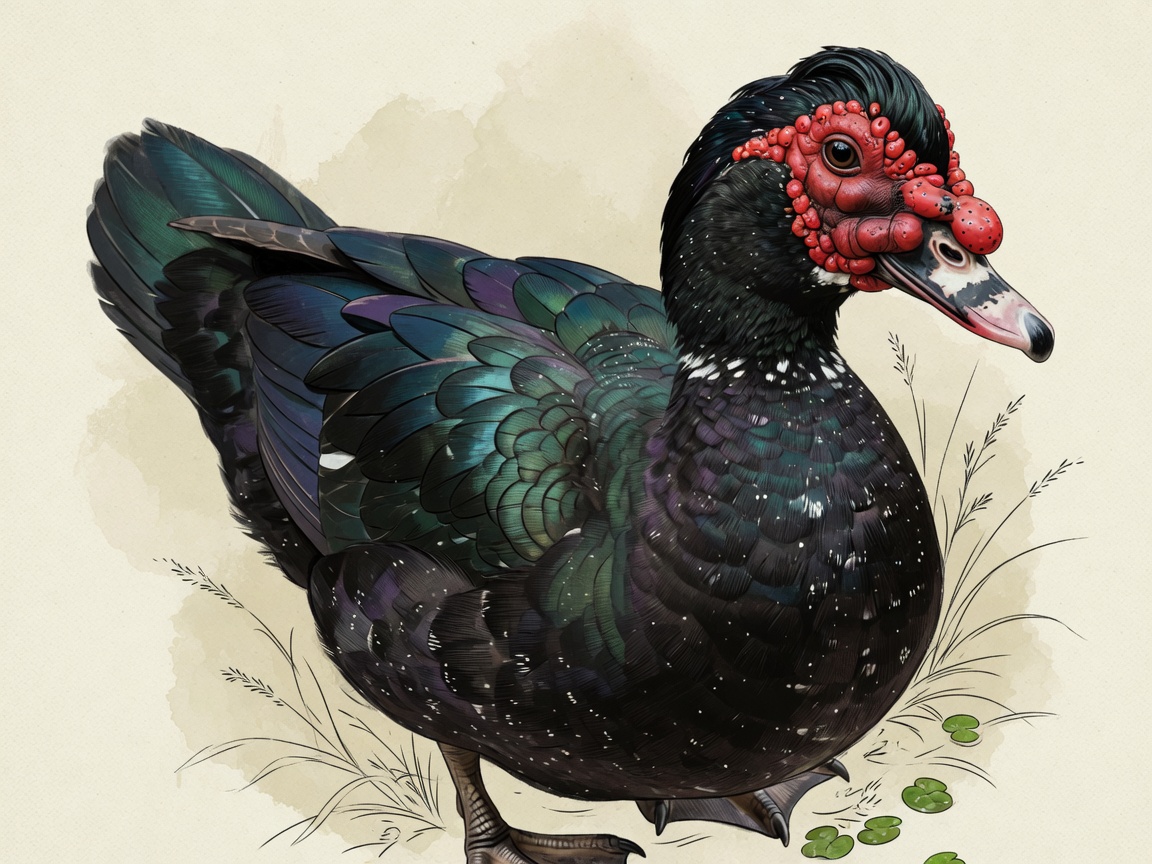
Muscovy (Cairina moschata)

The rebel. Not descended from Mallards — an entirely separate species. Native to Central and South America. Has red facial caruncles (warty bits) and doesn't quack (hisses instead).

Call Duck

Tiny. Adorable. Incredibly loud. Originally bred as living decoys to attract wild ducks within shooting range. Now kept as pets and show birds.

Cayuga

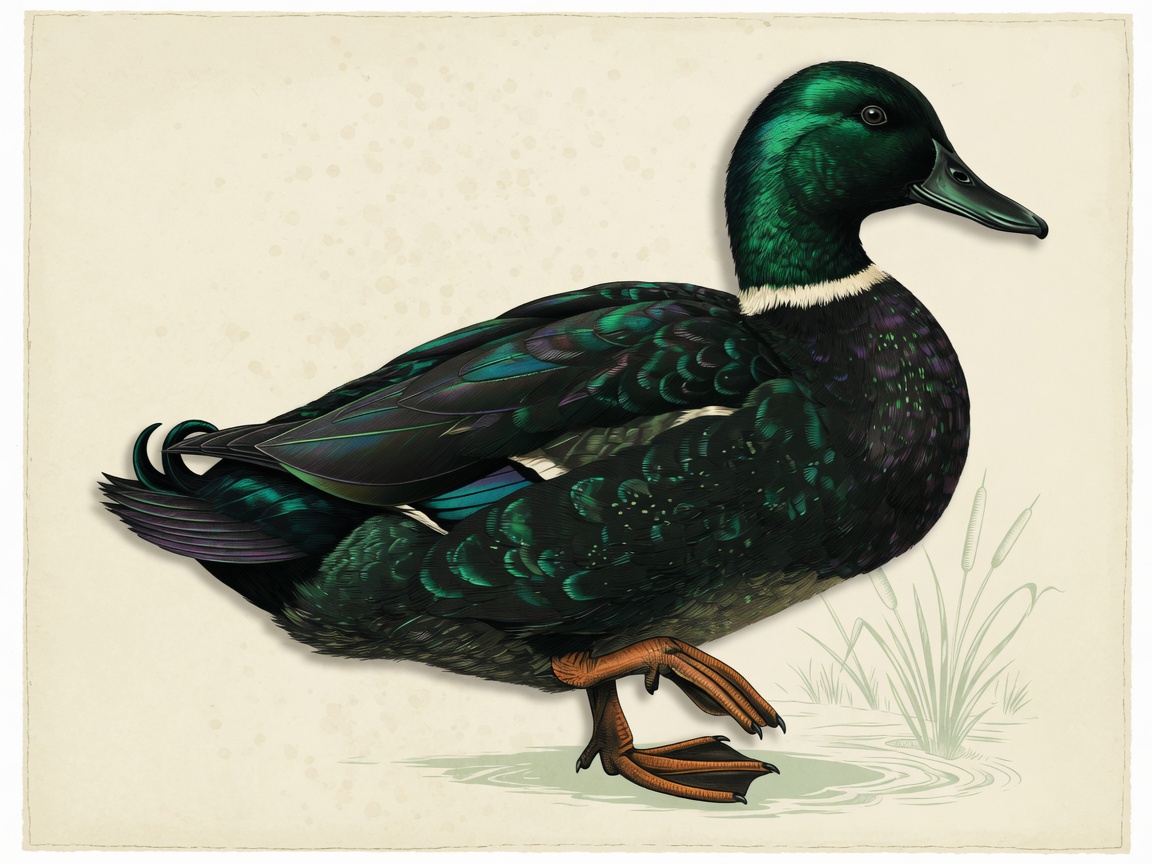
Stunning iridescent black-green plumage that shimmers in sunlight. Named after Lake Cayuga in New York. Lays black eggs (that gradually lighten through the season).


Choosing a Duck Breed

NeedBest Breed
Maximum eggsKhaki Campbell
Garden pest controlIndian Runner
Family petPekin
Quiet duckMuscovy
Cold climateCayuga
Show/exhibitionCall Duck
Looking impressiveMuscovy or Cayuga

Agent Quack's breed intelligence is updated seasonally. Report any unidentified ducks to headquarters immediately. 🕵️‍♂️

🦆 Back to HQ